Burning That Returns At Night
Your feet or lower legs may feel unusually hot, irritated or uncomfortable just when you are trying to rest.

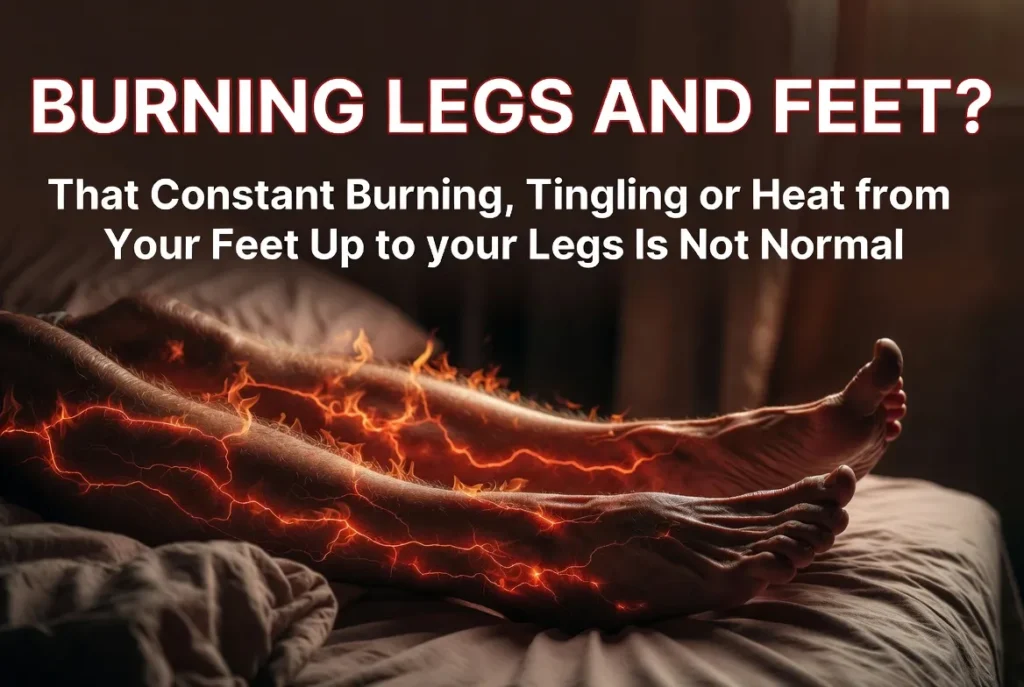
At first, the burning may appear only occasionally. You may notice it after standing for too long, while resting in the evening or when trying to fall asleep.
But over time, the sensation can become harder to overlook.
Your feet or lower legs may feel unusually hot, irritated or uncomfortable just when you are trying to rest.
What once seemed limited to the soles or toes may begin moving upward through the ankles, calves or lower legs.
Even the touch of bedsheets may feel uncomfortable, leaving you changing positions and struggling to get a full night of rest.
Walking, standing, shopping or completing simple household tasks may begin to require more effort than they once did.
It is when the discomfort becomes more frequent, spreads farther or begins affecting sleep, movement and confidence in your own body.
Many people adapt little by little without realizing how much the problem has already changed their daily life.

Many people don't notice these changes all at once. Instead, they happen little by little until simple everyday activities start feeling very different.
Short walks around the neighborhood, shopping trips or even standing in line may begin feeling more uncomfortable than they used to.
For many people, the burning becomes more noticeable at night, making it harder to relax or get comfortable before sleep.
Family outings, vacations and social events may slowly become less enjoyable when your legs and feet never seem to feel comfortable.
Choosing different shoes, avoiding long walks or sitting down more often can gradually become your new normal.
Many people assume these changes are simply part of getting older. But when burning sensations begin affecting sleep, movement and daily confidence, it's natural to wonder whether something more may be contributing to what you're feeling.
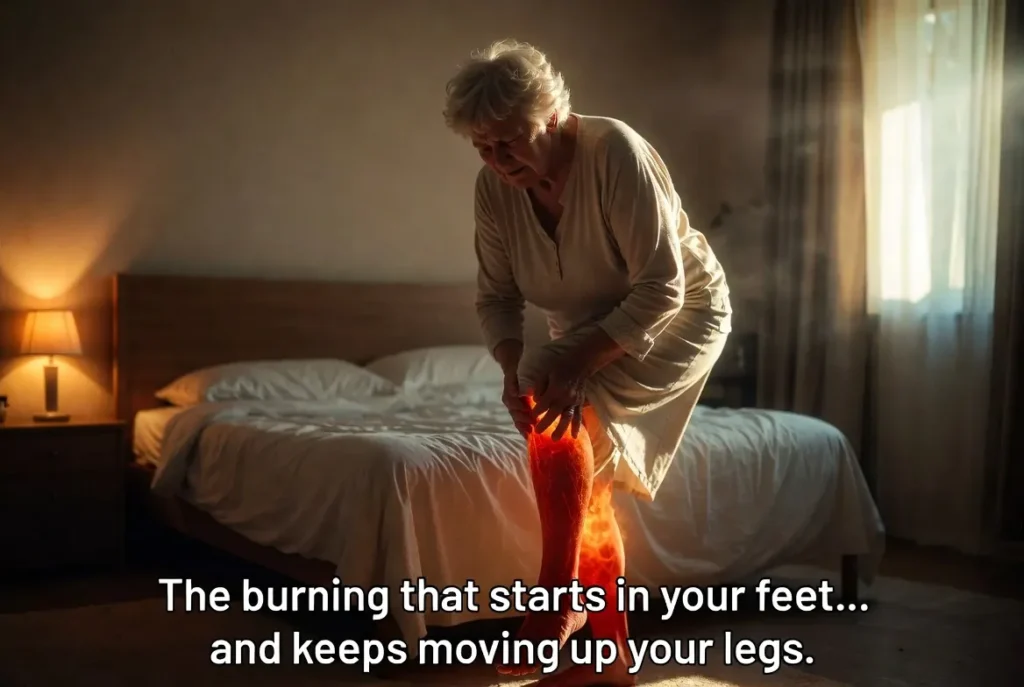
Those explanations may seem reasonable at first. But they do not always explain why the burning keeps returning, feels stronger at night or begins spreading through the feet and lower legs.
Because the discomfort may come and go, it can be easy to dismiss these early changes and simply adjust your routine around them.
When several of these changes appear together, the pattern may be more important than any single uncomfortable evening.
The feeling can occur when the communication between the feet, legs and nervous system becomes irritated or disrupted. This may create sensations such as heat, stinging, tingling, pins and needles or unusual sensitivity even when there is no visible injury.
That is also why rubbing the feet, changing shoes or resting may offer only temporary comfort for some people. Those actions may address the moment, without explaining why the sensations continue to return.
The earlier changes are often the easiest to excuse. But when the sensation spreads, interrupts sleep or changes how confidently you move, simply waiting and hoping it disappears may feel less reassuring.
Understanding why this pattern may continue is the next step.

Many people try changing shoes, elevating their legs, rubbing their feet or simply waiting for the discomfort to pass.
These steps may provide temporary comfort, but they do not always explain why the burning returns, becomes stronger at night or begins affecting a larger area of the legs and feet.
A short presentation explains why burning, tingling and numbness may appear together—and why some people continue noticing changes even after trying the usual approaches.
Before you dismiss these changes as “just getting older,” take a few minutes to understand why so many people are looking at these symptoms differently.
▶ Watch The Free Video Free presentation • No sign-up requiredWhen burning sensations become more frequent, it's natural to start wondering why they keep happening and whether they're likely to improve on their own.
Many people notice that burning sensations become much more noticeable in the evening or while lying in bed. With fewer distractions around, these uncomfortable sensations often feel stronger and can make falling asleep much more difficult.
For some people, what begins in the feet may gradually be noticed around the ankles, calves or lower legs. When symptoms begin affecting a larger area, many people naturally become concerned about what might be changing.
Some people experience temporary relief from time to time, while others notice that the burning continues returning or gradually becomes part of everyday life. Understanding why these sensations keep coming back may help explain that pattern.
Not always. Burning sensations may sometimes appear alongside tingling, numbness, unusual sensitivity or discomfort while walking. Every person experiences these changes differently.
Many people first notice burning only once in a while. The concern often begins when those episodes become more frequent, last longer or start interfering with sleep, walking or daily activities.
If burning sensations are becoming more frequent, spreading into your legs or making everyday life more difficult, take a few minutes to watch this short presentation explaining why these changes may deserve closer attention.
▶ Watch The Free Video Free presentation • No registration required
Burning rarely feels exactly the same for everyone. These related guides can help you recognize other sensations that may appear in the feet and lower legs.
Understand why persistent heat, stinging and irritation may begin affecting comfort and everyday activities.
Read The Guide →Learn why these sensations may become more noticeable while resting and make it difficult to sleep comfortably.
Read The Guide →Explore pins-and-needles sensations, unusual sensitivity and the changes people frequently notice alongside burning.
Read The Guide →See how reduced sensation may affect balance, walking confidence and awareness of the ground beneath your feet.
Read The Guide →Review the common patterns of burning, tingling, numbness and discomfort that may interfere with daily life.
Read The Guide →Get a broader overview of the sensory changes that may begin in the toes and feet before becoming more noticeable.
Read The Guide →If you are walking less, sleeping poorly or worrying that the sensations may continue spreading, watch this short presentation before simply accepting these changes as part of getting older.
▶ Watch The Free Video Free presentation • No registration requiredFor readers who would like to review general medical information about peripheral nerves, neuropathy and related symptoms, the following independent resources may be helpful.
These external websites are provided for general educational reference. Neuropathy Insight is not affiliated with or endorsed by these organizations.